Edition 006
Can ultrasound help medicines safely reach the brain?


Welcome to Highly Regulated 006, from Katalyze
Welcome back to Highly Regulated. Last week, we looked at the latest push to build better AI models of biology. This week, we’re discussing the blood-brain barrier, and how researchers are innovating to get medicines across it without compromising the protection it provides.
In 2015, a team at Sunnybrook in Toronto used ultrasound and microscopic bubbles to temporarily increase the permeability of the blood-brain barrier, allowing medicine to pass through more readily. We’ll look at how that worked, the years of research behind it, and what a later trial tells us about its potential to improve drug delivery to the brain safely.
We'll end with Something Good: a new therapy that could help some people with rectal cancer avoid surgery, chemotherapy, and radiation.
First, though: a few things worth your attention from around the industry.
Zack Holland and Alyse Gonthier, PhD from Katalyze
Worth Your Time
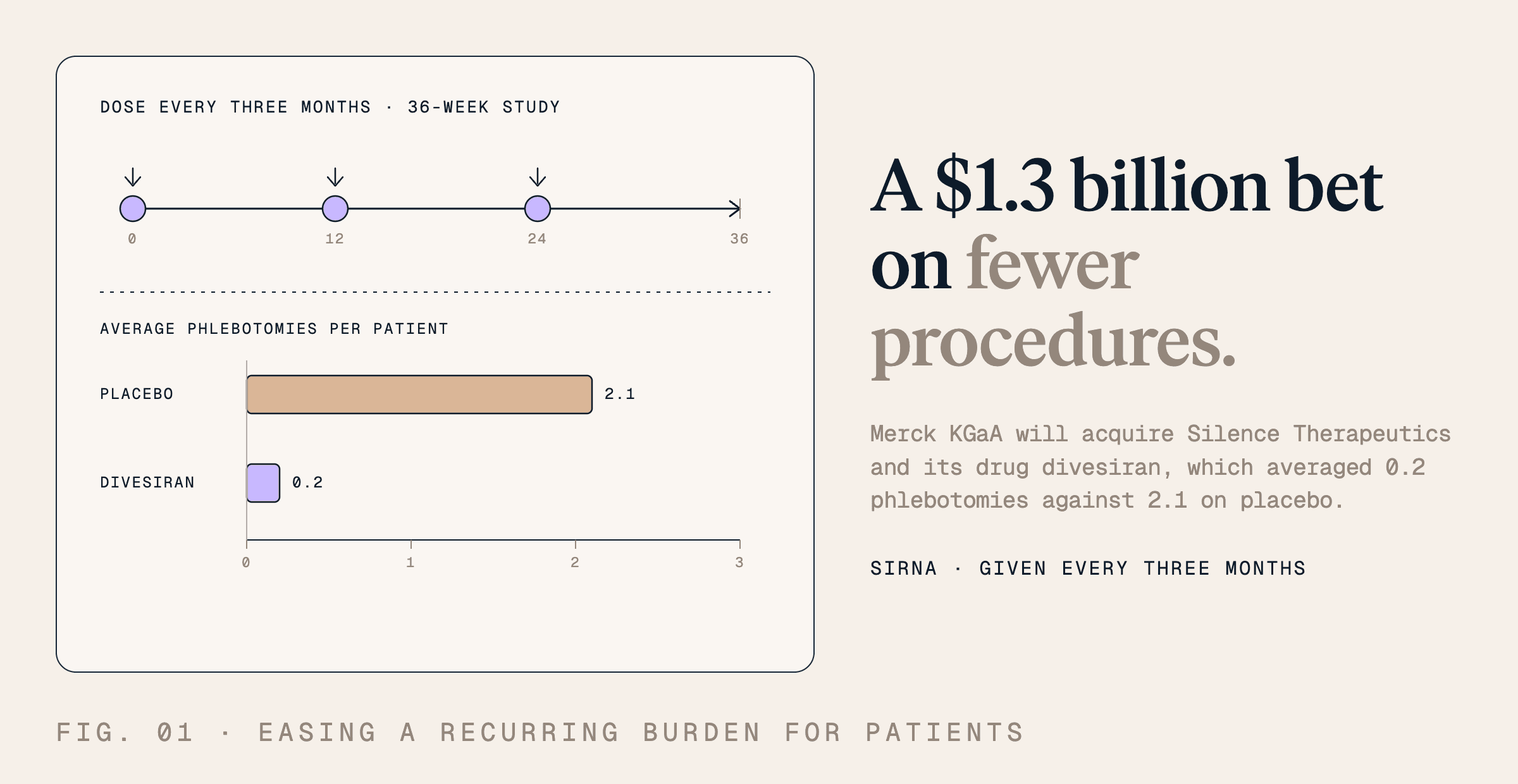
- Merck KGaA (Germany) bets $1.3 billion on fewer blood-removal procedures. A rare blood cancer, polycythemia vera, causes excess red blood cell production, raising the risk of clots. Many patients need regular blood removal, called therapeutic phlebotomy. Merck KGaA has agreed to acquire Silence Therapeutics for approximately $1.3 billion in equity value, adding its experimental drug divesiran. Given every three months, the drug uses short interfering RNA, or siRNA, to limit the iron available for red blood cell production. In a Phase 2 study, treated patients averaged 0.2 phlebotomies over 36 weeks, compared with 2.1 on placebo. Larger trials still need to confirm the results, but fewer procedures could ease a recurring burden for patients. Merck KGaA Announcement
- A clearer map could help brain stimulation reach more people with severe depression. Deep brain stimulation uses implanted electrodes to deliver electrical pulses to brain circuits. Some people whose depression hasn't improved with standard treatments have benefited from that treatment, but researchers are still working to understand why the results have been so varied. A Mount Sinai team analyzed data from several studies and found that sustained improvement was associated with stimulation reaching three bundles of nerve fibers connecting brain regions. Patients who hadn't responded after two years showed little engagement of one pathway, the left cingulum bundle. The findings give researchers a more precise map to guide electrode placement, and a promising direction for improving a treatment that could help people with few remaining options. Now they’ll work to determine whether adjusting placement improves outcomes. Mount Sinai
- Multiply Labs wants robots to work with the instruments manufacturers already use. Cell therapy manufacturing still involves repetitive manual steps, and replacing a facility's instruments or processes can make automation difficult to introduce. Multiply Labs raised $75 million to expand a platform designed to operate existing instruments and handle those steps without requiring a new facility or changes to validated processes. The company reports a 74 percent reduction in cost per dose and up to 100 times the throughput of manual manufacturing. Those are company-reported results, but the approach could help teams increase capacity within facilities they've already built. Multiply Labs Announcement
- AstraZeneca backs AI to help choose drug targets. A target is the biological component a medicine acts on; researchers need evidence that changing it could help patients. AstraZeneca and insitro will investigate targets for metabolic dysfunction-associated steatohepatitis, or MASH, an inflammatory liver disease, and cardiomyopathies, which affect the heart muscle. The agreement includes $40 million upfront and up to approximately $1.46 billion in potential milestones, plus royalties. Leading AI therapeutics company insitro will use human and cellular data with AI to identify disease drivers and advance selected targets toward drug candidates. The aim is to give drug development a stronger biological starting point; the resulting candidates will still need to demonstrate benefit in patients. AstraZeneca Announcement
Meanwhile, at Katalyze
Chief AI Officer publishes research on microexons in Nature.
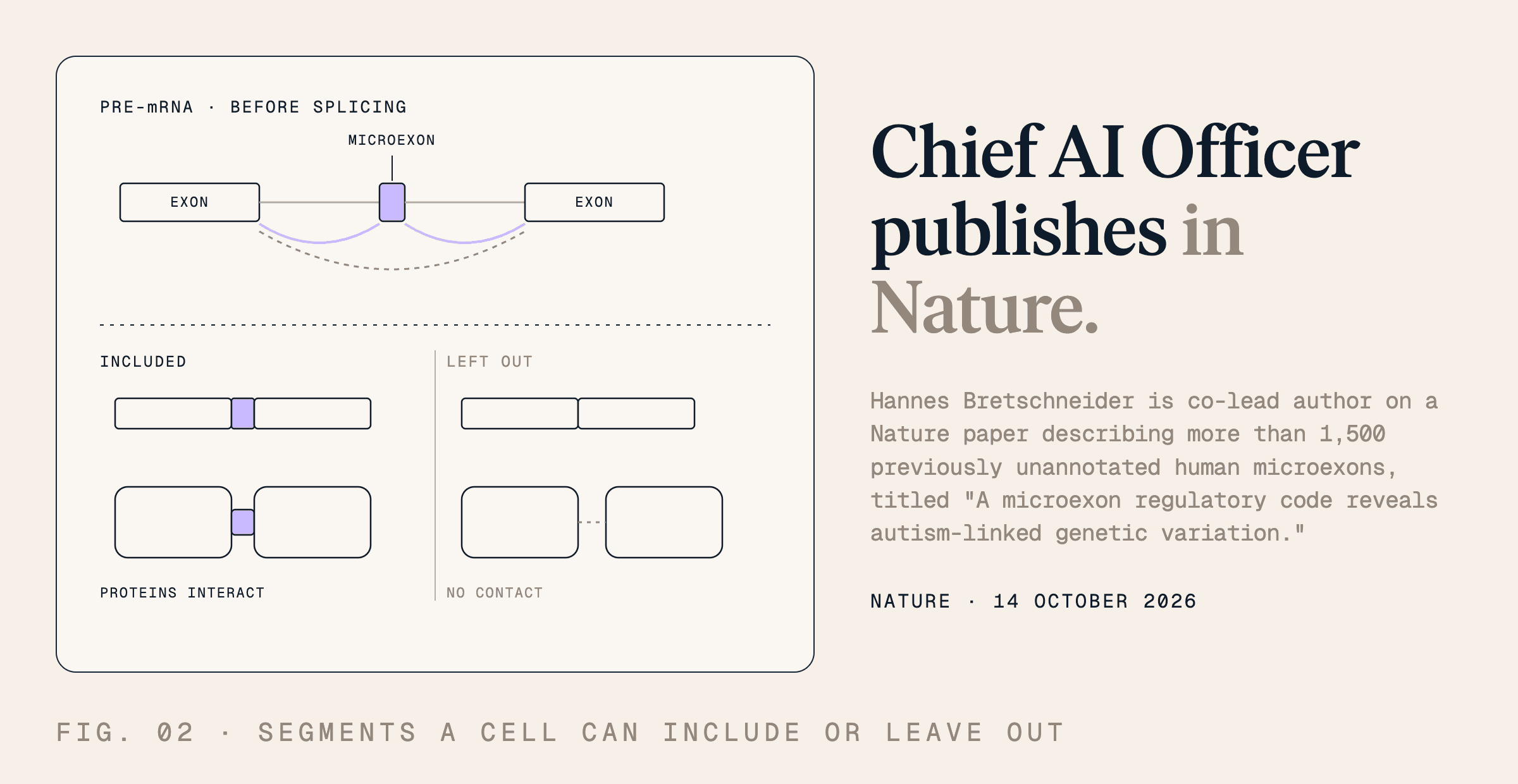
Our Chief AI Officer, Hannes Bretschneider, is a co-lead author on a paper published last week in Nature. The team studied microexons: tiny gene segments that cells can include or leave out when assembling RNA instructions. In nerve cells, these small changes can affect how proteins interact and how the cells function. Nature Paper
The researchers identified more than 1,500 previously unknown human microexons and used machine learning to predict which surrounding DNA sequences regulate their inclusion. Applying the model to genome data from autistic people and their siblings pointed to rare variants, predicted to disrupt microexon splicing. The findings give researchers specific genetic changes to investigate, offering one source of the missing genetics of autism, as co-lead author Guillermo Parada put it.
We're thrilled to celebrate the years of work behind this paper with Hannes, Guillermo Parada, Benjamin Blencowe, Quaid Morris, and their colleagues. Congratulations!
The Feature: Using ultrasound to help medicines cross the blood-brain barrier
In November 2015, a patient with a malignant brain tumor at Sunnybrook in Toronto received chemotherapy, followed by an infusion of microscopic bubbles. A research team then aimed ultrasound through the skull at a small region near the tumor.
The patient was already scheduled for surgery, which gave researchers an opportunity to examine what happened. They wanted to make the blood vessels in the targeted region temporarily more permeable, allowing more of the drug to enter brain tissue. When surgeons removed the tumor and surrounding tissue less than a day later, samples were tested for drug concentrations in treated and untreated areas. Sunnybrook Research
The experiment addressed a difficult problem in treating brain disease: the same barrier that protects healthy tissue can keep medicine from reaching the cells that need it.
The protection we need
The blood-brain barrier is formed by specialized cells lining the tiny blood vessels running through the brain. These endothelial cells are joined by protein seals called tight junctions, which restrict what can pass between neighboring cells.
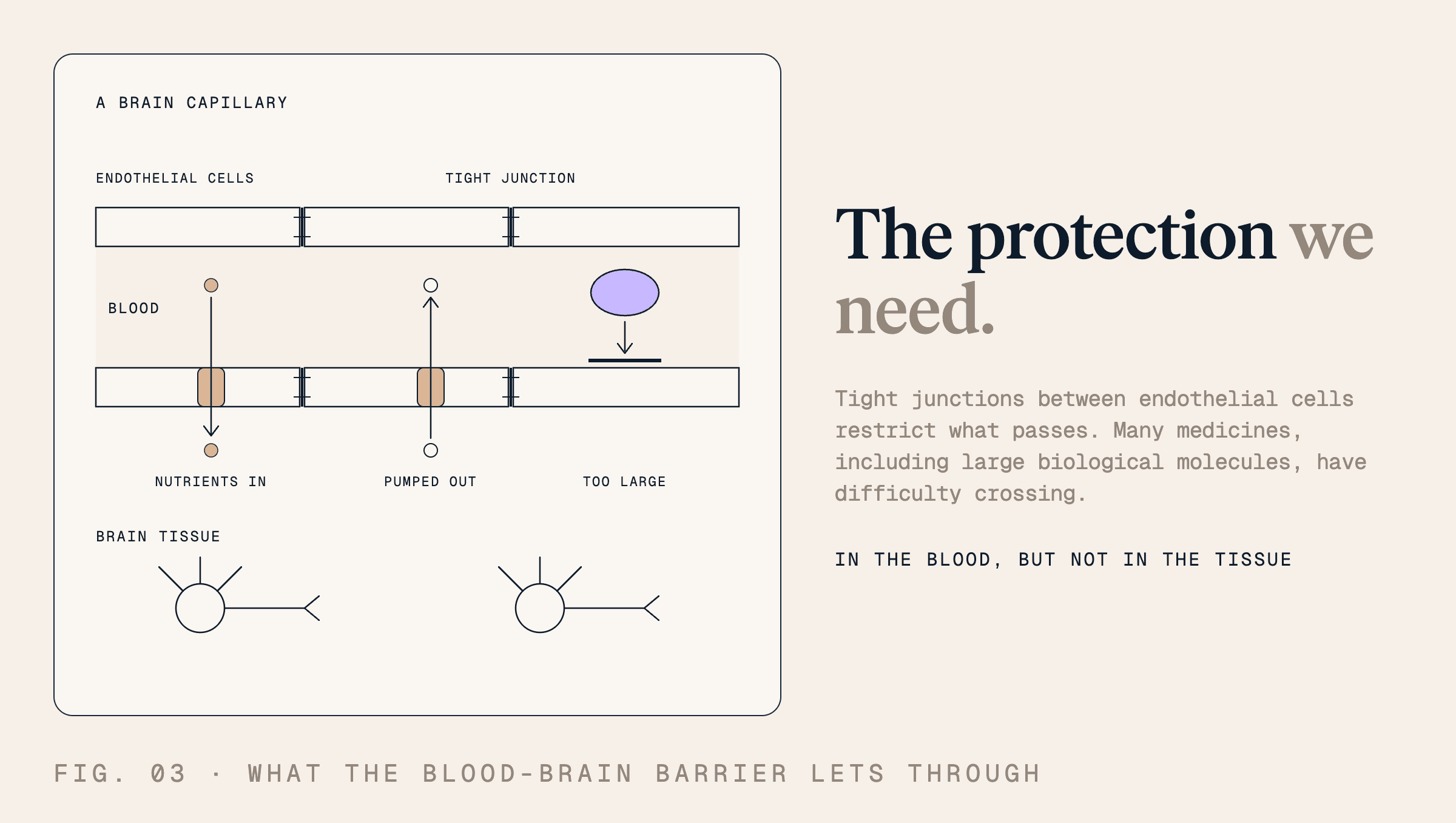
Movement through the cells is controlled, too. Transport proteins carry essential nutrients such as glucose into the brain, while other transporters pump certain substances back out. Surrounding cells help maintain this environment, keeping the chemistry around nerve cells stable enough for them to function. Journal of Anatomy
Many medicines, including large biological molecules, have difficulty crossing this barrier. A promising treatment can therefore fail to reach useful concentrations in the brain, even when it is present in the bloodstream. Neurotherapeutics
A brain tumor can complicate the picture further. Its vessels may be leaky in some places, while the barrier remains intact in surrounding tissue where cancer cells have spread. Those cells can remain protected even when other parts of the tumor are accessible. Scientific Reports
Researchers need a way to let a treatment into a chosen region while preserving the barrier's protective function elsewhere. Focused ultrasound offered a way to investigate whether that opening could be both local and temporary.
A small bubble changes the experiment
In 2001, Kullervo Hynynen, Nathan McDannold, Natalia Vykhodtseva, and Ferenc Jolesz reported an experiment in rabbits combining focused ultrasound with an injected contrast agent containing tiny gas bubbles. MRI scans showed that an imaging tracer had entered targeted brain regions. At the lowest power levels tested, the barrier opened without observed damage to surrounding nerve cells. Radiology
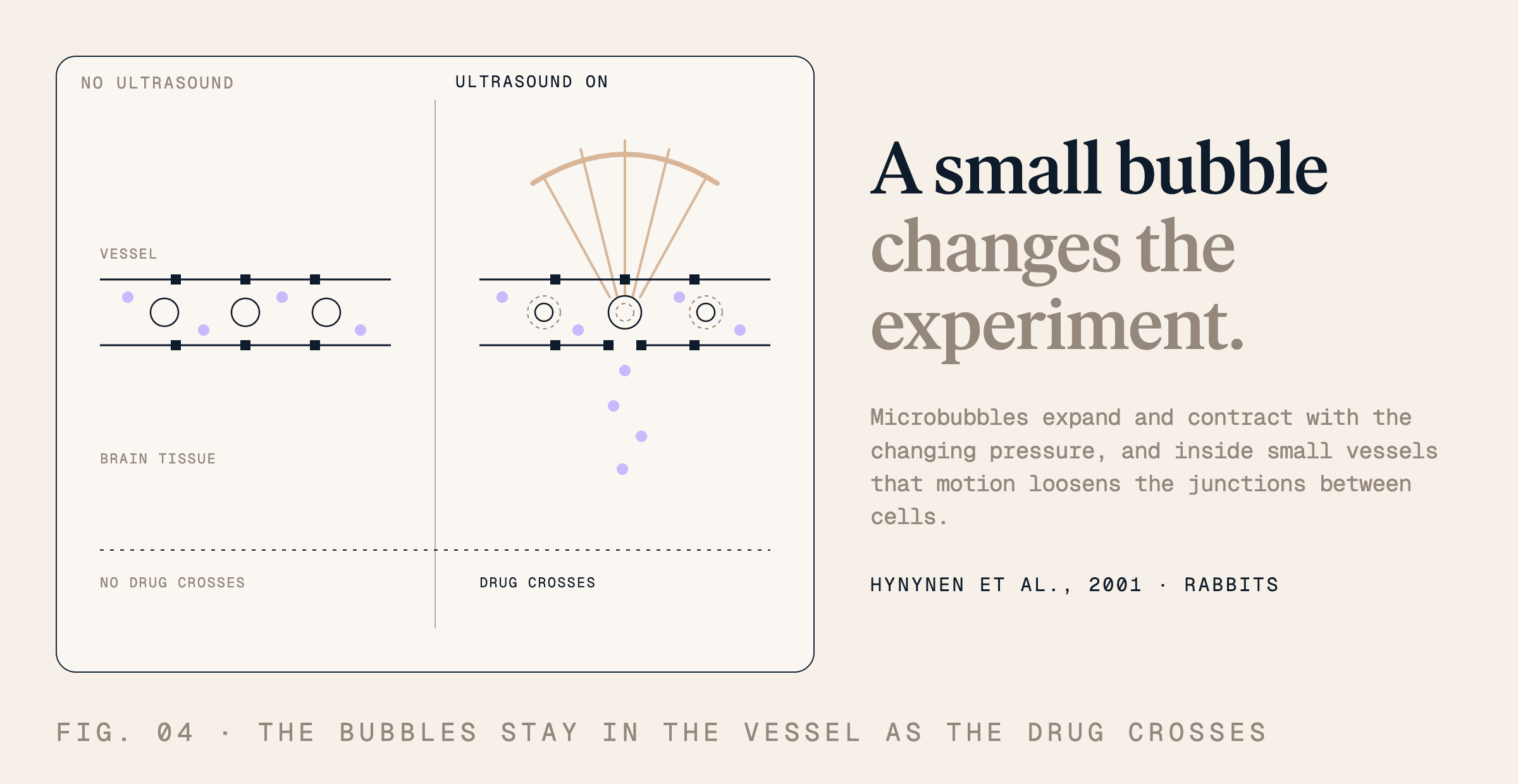
Ultrasound is sound at frequencies above human hearing. Focusing the waves concentrates their effects in a selected area. The injected gas bubbles, the microbubbles, expand and contract in response to the waves' changing pressure.
Inside small blood vessels, that motion exerts mechanical forces on the vessel lining. It can temporarily alter the junctions between cells and the movement of material through them, increasing passage into brain tissue. The microbubbles remain inside the vessels while the drug crosses the barrier. Ultrasound in Medicine
This gives researchers a way to influence where a circulating drug can enter the brain. It also requires careful control: excessive ultrasound exposure can damage the vessels.
Learning to listen
Meaghan O'Reilly and Hynynen investigated whether the bubbles' response could help control that exposure.
In a 2012 study in rats, they recorded the acoustic signals emitted by the microbubbles and used them to adjust the ultrasound pressure during the procedure. At the selected settings, the barrier opened without damage detected by imaging or tissue examination. Higher settings produced tissue damage. Radiology
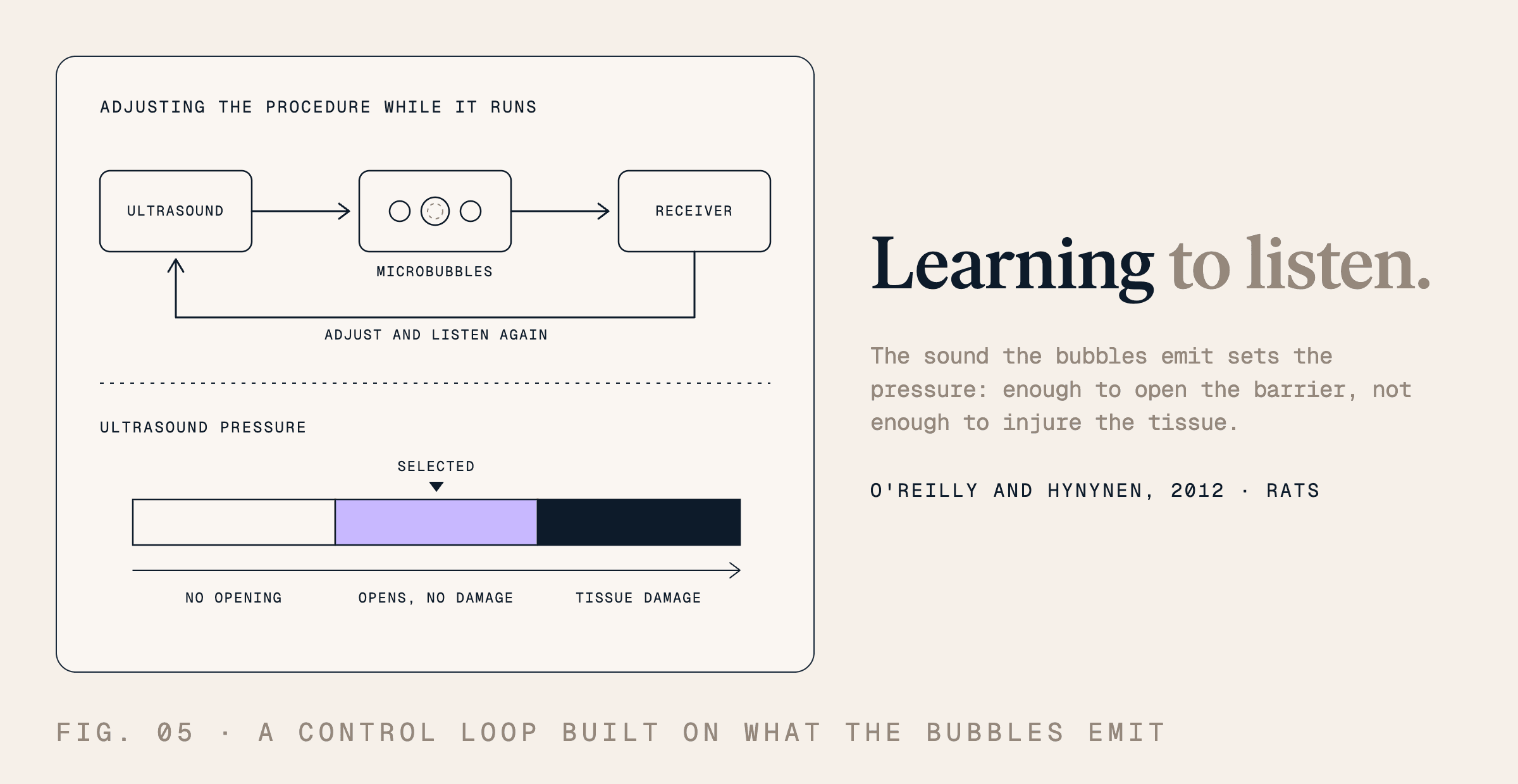
Measuring the bubbles' response gave the team a way to adjust the procedure as it happened, rather than relying on a fixed setting. The experiment also showed why that feedback mattered: the pressure had to be sufficient to open the barrier without injuring the tissue.
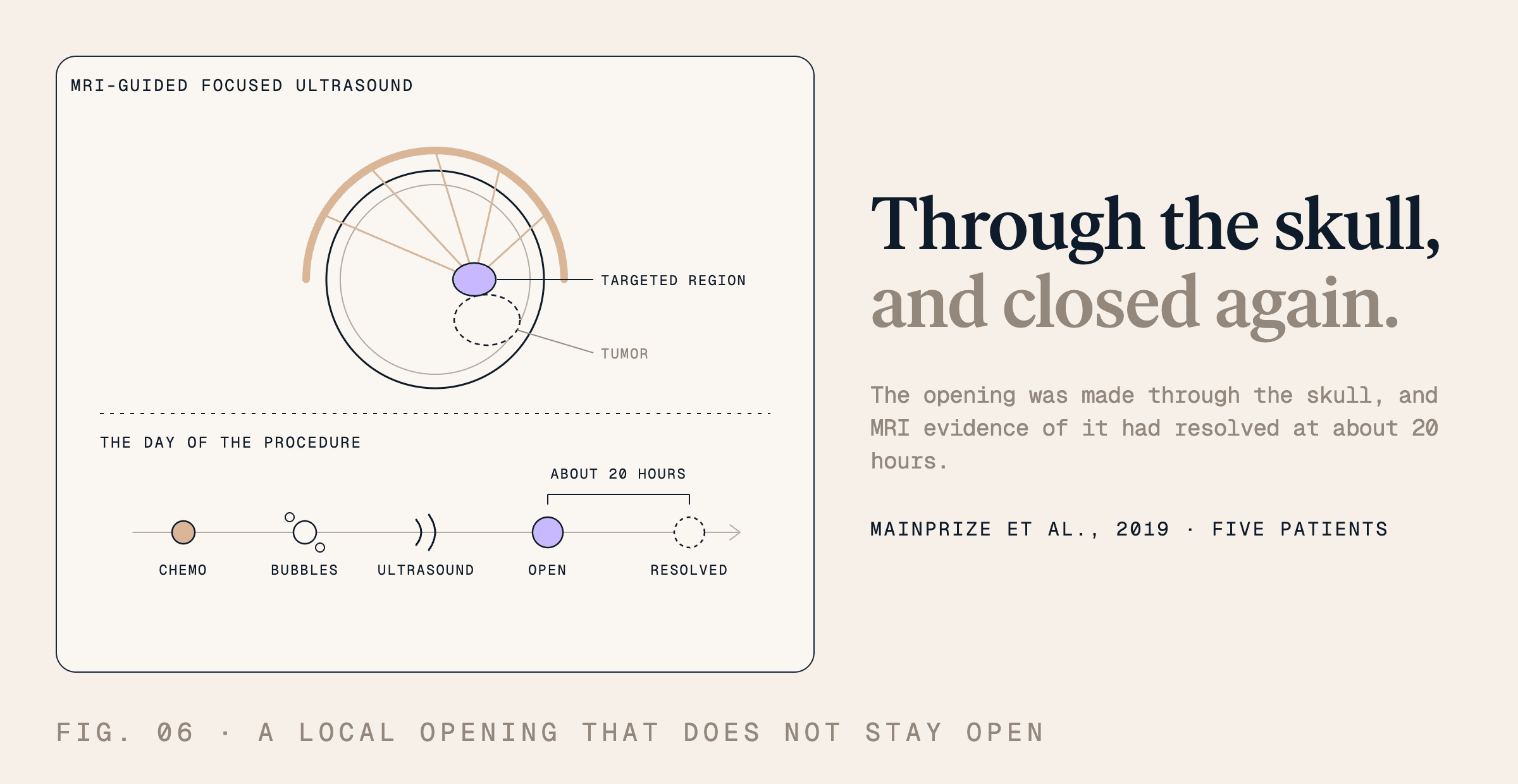
By 2015, Hynynen and colleagues had spent almost two decades developing the technology with industry partner Insightec. Neurosurgeon Todd Mainprize led the clinical study at Sunnybrook, using an MRI-guided system to target the ultrasound through the patient's skull. Sunnybrook Research
The five-patient report, published in 2019, found that the procedure was feasible and well tolerated, with no procedure-related adverse clinical or imaging events reported. MRI evidence of the opening had resolved at approximately 20 hours. This was an early safety and feasibility study, but its relative success was exciting. Now, the researchers needed to establish how much medicine could be delivered and whether it would actually improve outcomes. Scientific Reports
More medicine in the tissue
A phase 1 trial reported in 2023 provided a more direct measurement of drug penetration. Adam Sonabend and colleagues treated 17 people with recurrent glioblastoma, an aggressive brain cancer, using microbubbles and a different ultrasound system. This device was implanted in a window in the skull during tumor surgery.
Average tissue concentrations of albumin-bound paclitaxel, a chemotherapy formulation, were about 3.7 times higher in ultrasound-treated brain than in untreated brain. Two patients at the highest drug dose developed encephalopathy, a disturbance of brain function. Both recovered and continued treatment at lower doses. Lancet Oncology
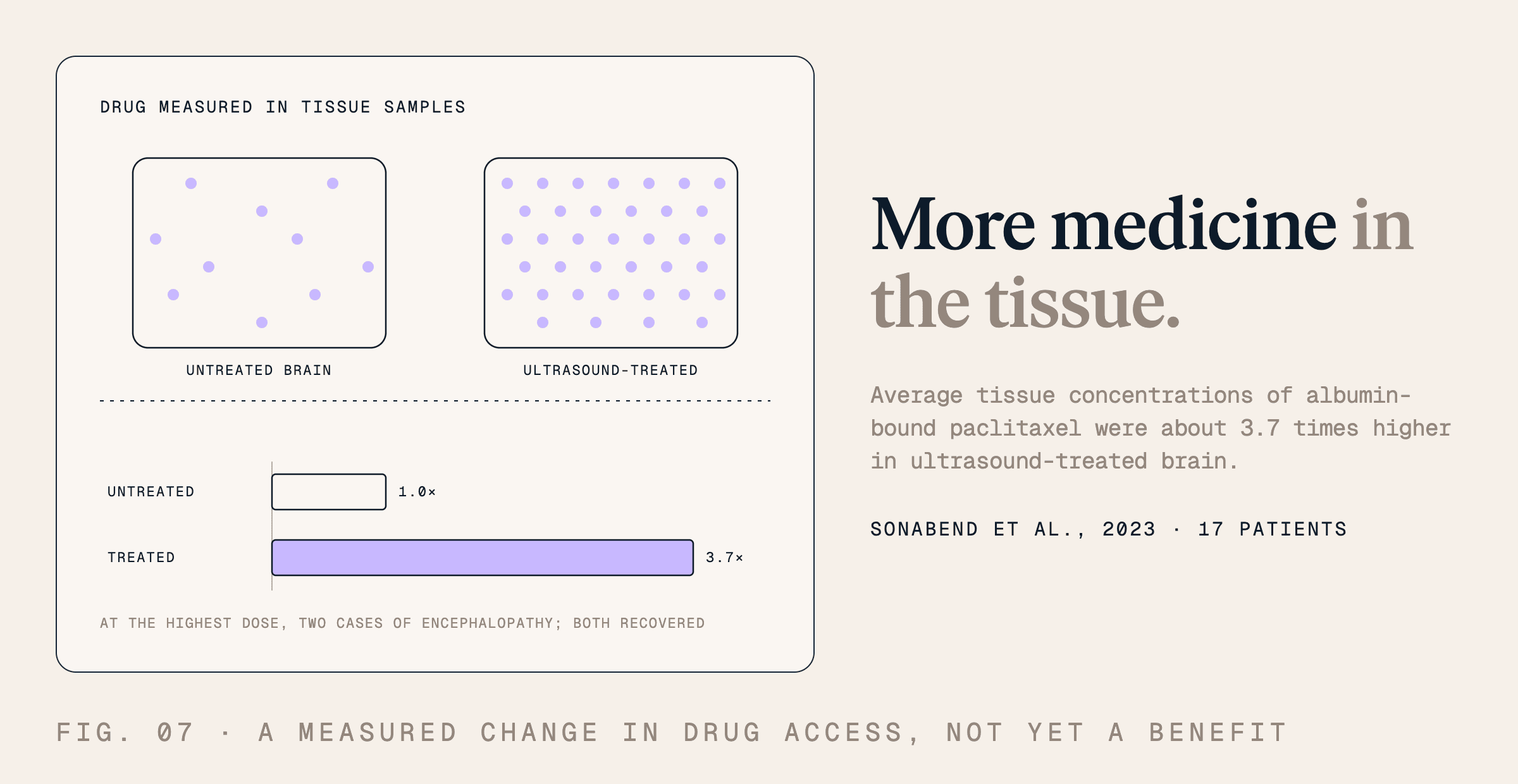
Higher drug concentrations don't establish that patients live longer. Follow-up research found variable control of tumor growth in the treated area. The team then tested paclitaxel with carboplatin in cells and mouse models, with results supporting further clinical investigation of the combination. Cancer cells can resist treatment even when more medicine reaches them, so scientists are continually innovating. Clinical Cancer Research
For me, the idea that we can measure a change in drug access within human brain tissue is exciting in itself. The next questions concern treatment: which medicines benefit from that access, how much tissue needs to be reached, and whether repeated procedures improve outcomes enough to justify their risks and burden.
The Sunnybrook patient and those who joined later studies made these measurements possible by participating in experiments whose benefit to them was uncertain. Their participation has helped researchers establish a way to open selected regions of the barrier temporarily and test what crosses. For cancers like glioblastoma, treatments like this could buy patients years more time.
Something Good
Treating rectal cancer while preserving daily life and function.
Chemotherapy, radiation, and surgery for rectal cancer can leave lasting effects on bowel, urinary, and sexual function, as well as fertility. Some patients need a permanent colostomy.
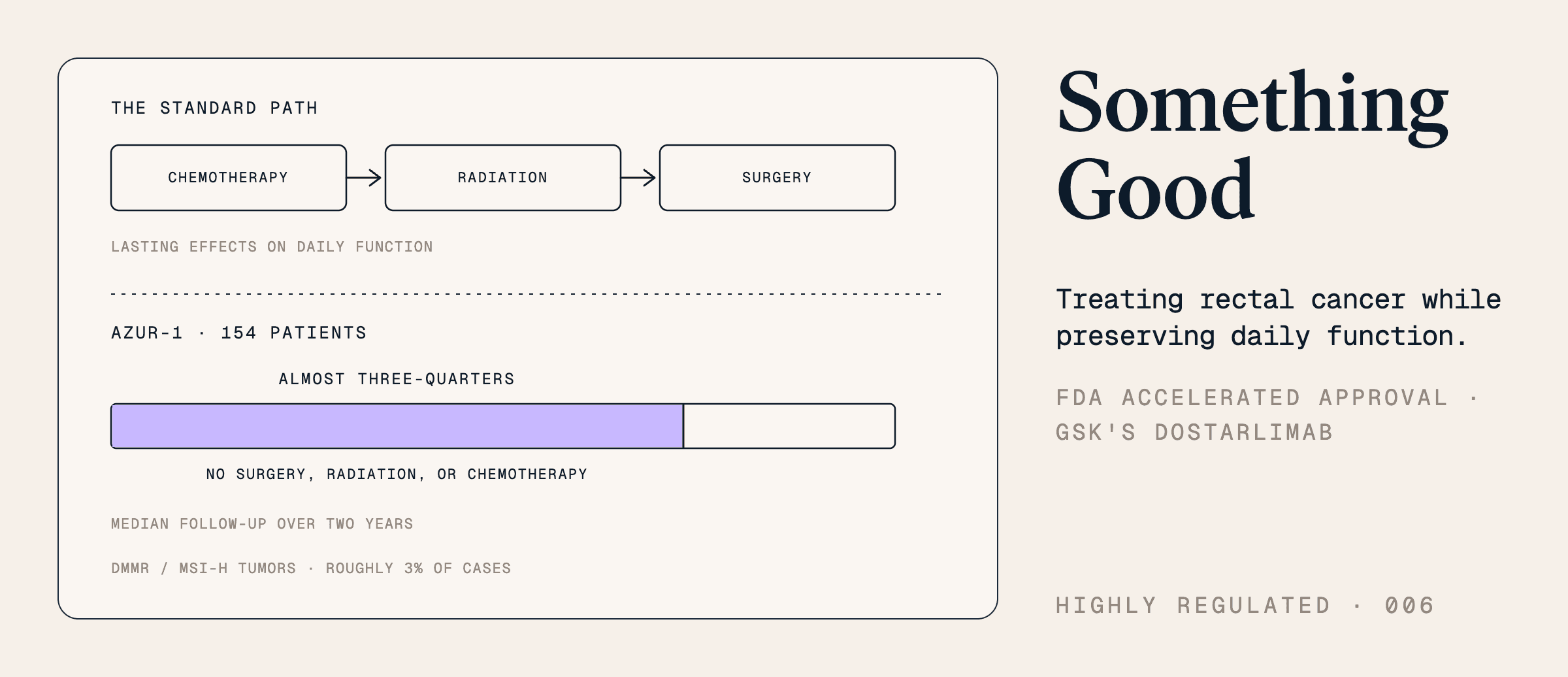
On October 19, the FDA granted accelerated approval to Jemperli, GSK's dostarlimab, for certain adults with previously untreated stage II or III locally advanced rectal cancer. Eligible tumors have defects in their DNA repair system. These account for roughly 3 percent of locally advanced rectal cancers. FDA Announcement
In the 154-patient study, almost three-quarters hadn't needed surgery, radiation, or chemotherapy after a median follow-up of more than two years. The immune-based treatment has serious risks, including reactions that can damage healthy organs, and continued follow-up must establish whether the benefits last.
For patients who respond, avoiding those treatments could preserve functions that shape everyday life. That’s worth celebrating.
The Katalyze Marketing Team